

June Energy
The grip, the blueprint, and the calibrated heart.

There is a particular quality to June. Something in the light, the length of the days, the way warmth makes life feel like it holds more possibility. It feels, if you let it, like an invitation. Not to do more, not to optimize or produce or reinvent, but simply to experience. To remember that you were not always this careful, this guarded, this practical or this practiced in the art of not wanting too much.
What follows are four energies for this season. Reminders of what the start of summer can be.
No. 1
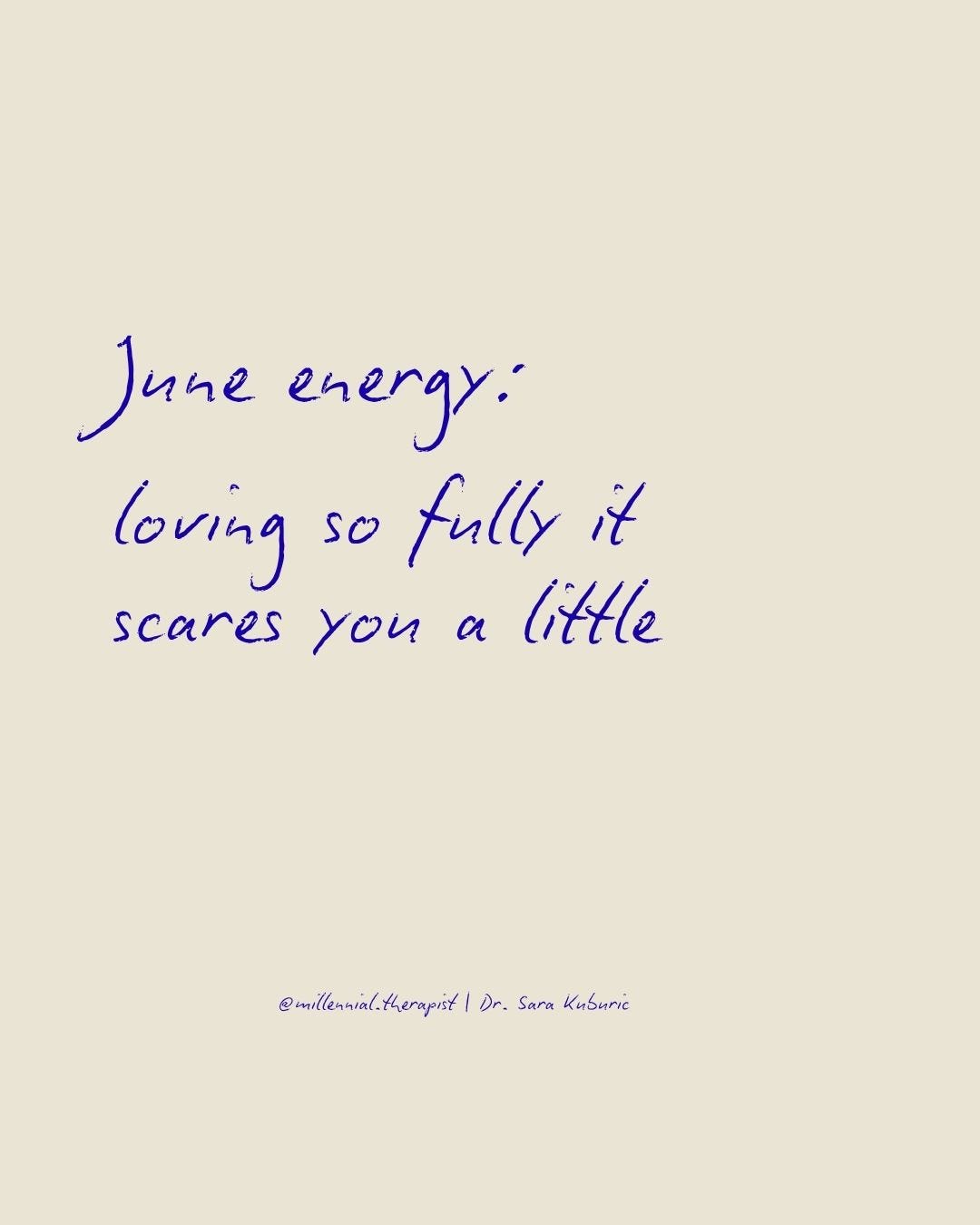
We have been taught, by experience if not explicitly, to calibrate our love. To not want too visibly, not need too deeply, not feel so much that we become vulnerable to disappointment or heartbreak. We mistake this calibration for wisdom. Sometimes it is. But more often it is just an old coping mechanism doing its job long after the original threat has passed.
The philosopher Erich Fromm wrote that love is not a feeling that happens to us but an art we practice, a capacity we either develop or allow to atrophy. Like any art, it requires the willingness to be changed by what you make. To be marked by it. To not emerge from the experience of loving someone entirely intact and untouched.
If loving someone is not at least a little scary, you may not be fully surrendering to the experience.
· · ·
No. 2
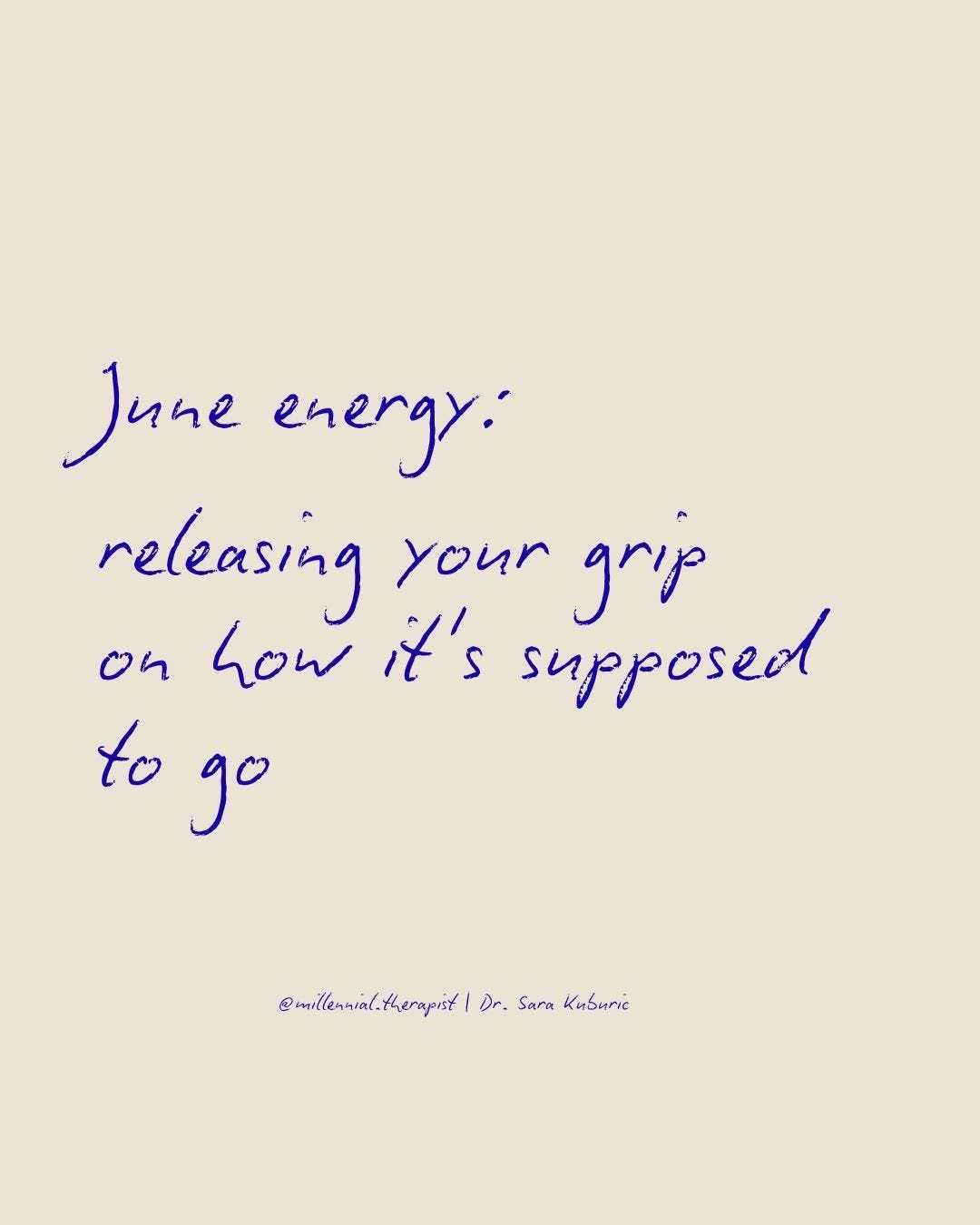
We carry, most of us, an invisible blueprint. A version of the life that was supposed to happen by now, the relationship that was supposed to look a certain way, the self that was supposed to have arrived at a particular kind of certainty. We measure the actual life against it constantly, often without realizing we are doing it. The gap between the two is where a great deal of regret, dismay, and sadness lives.
The grip is understandable. The blueprint was built from hope, from everything we were told mattered, from the stories we absorbed about how a good life unfolds. To release it feels, at first, like giving up. Like admitting defeat. But it is something closer to what the Stoics called amor fati: the love of what is, as it actually is. Not passive acceptance, not the abandonment of desire, but the willingness to meet reality on its own terms rather than only on the terms you arrived with.
The life that is actually happening is often far more interesting than the one you planned. We struggle to accept it because we are too busy grieving the plan rather than living our lives.
· · ·
No. 3
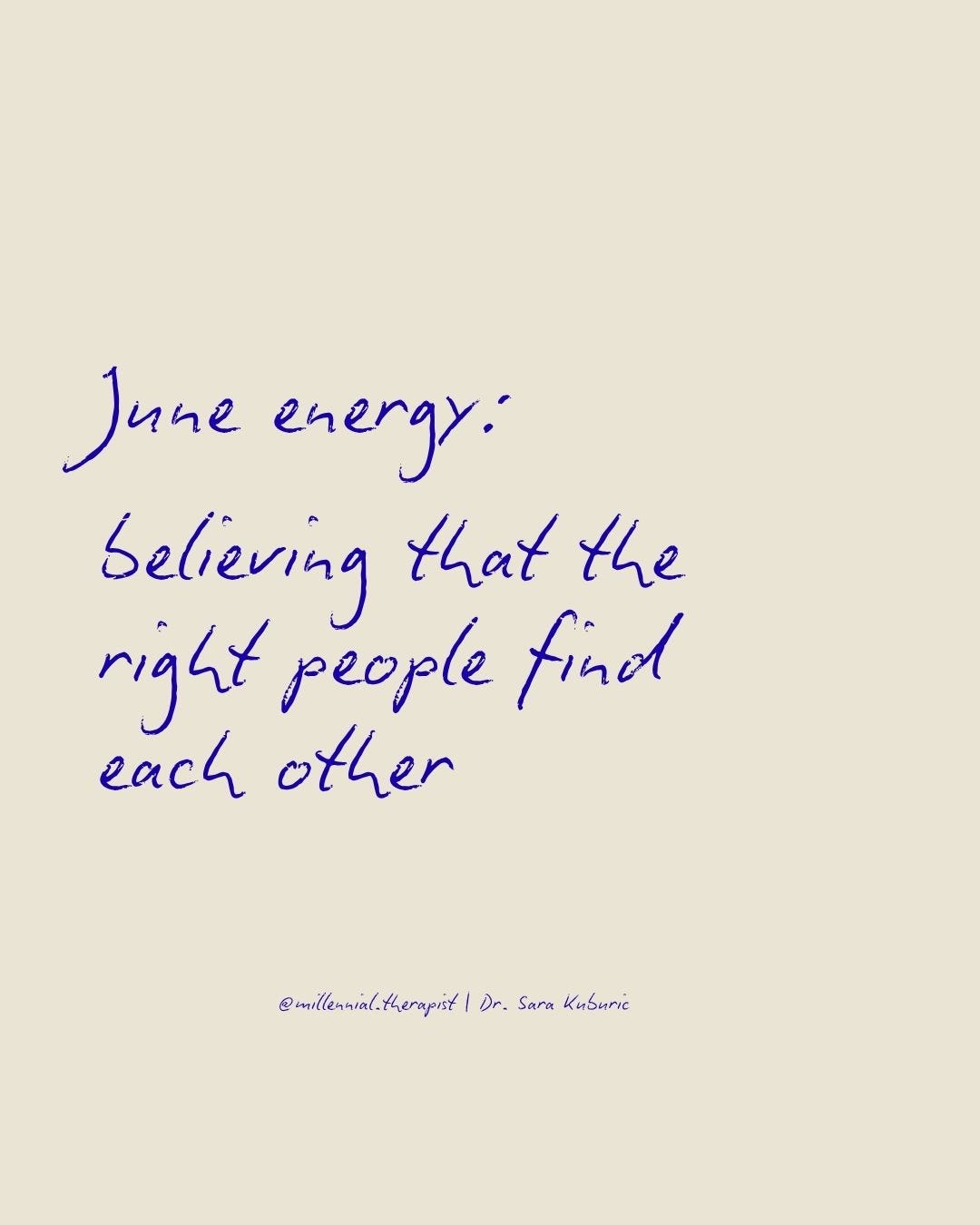
This one asks something that does not come easily after loss: faith. Not religious faith, necessarily, but the belief that the connections that are meant to exist in your life are not entirely dependent on your perfect navigation or relentless seeking. That something in the way people are drawn together operates beyond your control.
It is a belief that can feel naive until you look back at the most significant relationships of your life and notice how many of them arrived sideways. Through coincidence, through a wrong turn, through the party you almost did not attend, the conversation you almost did not start, the city you almost did not move to. The philosopher Martin Buber believed that genuine encounter between people cannot be engineered, only made possible by showing up as your full self rather than a performance of it.
The people who were meant to know you will find their way to you. Not because the universe is sentimental, but because authenticity has its own gravity.
· · ·
No. 4
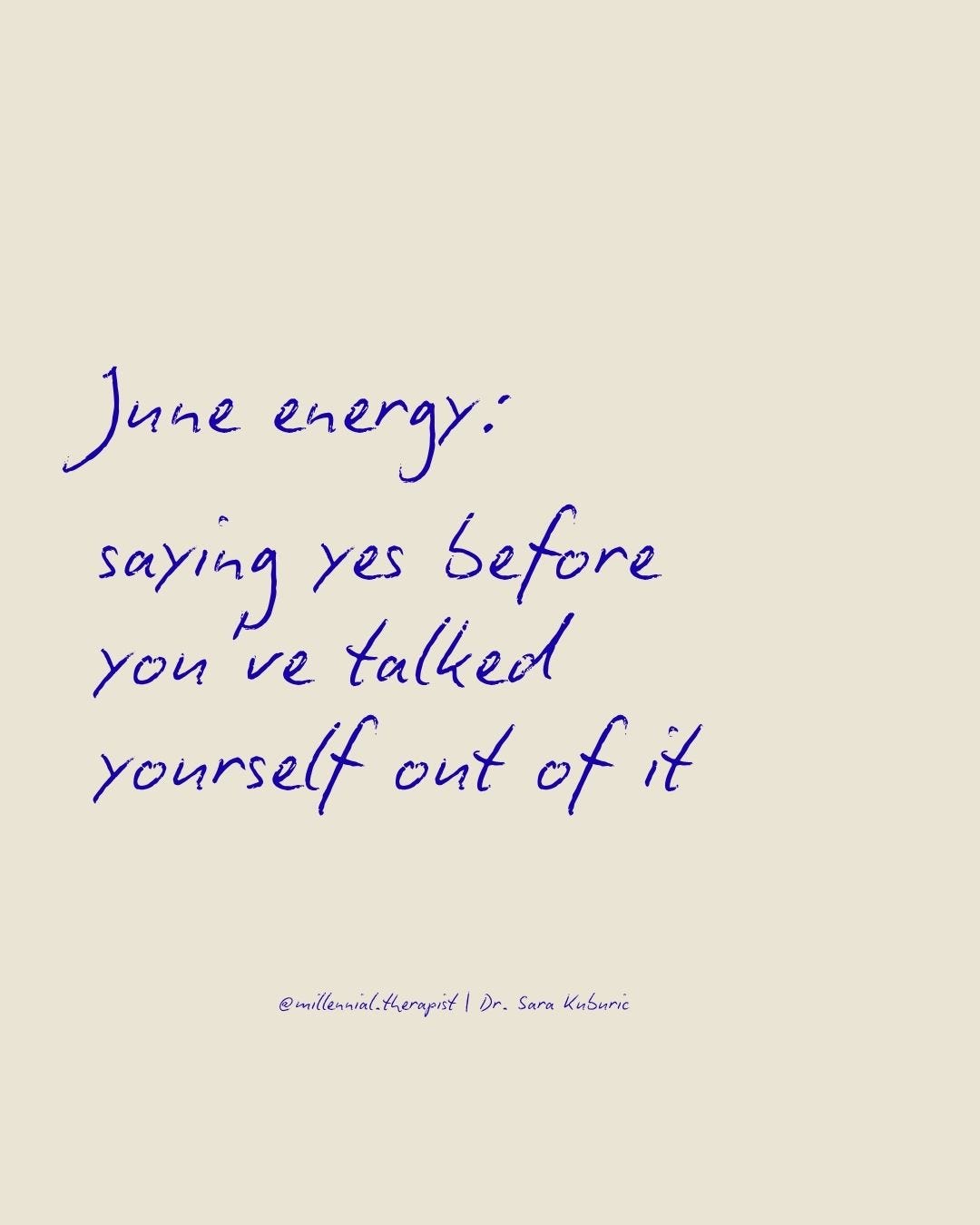
The mind is extraordinarily good at reasons. Give it a thought, desire, or want that it finds frightening and it will produce, within seconds, a convincing case for why it should be ignored. It will cite precedent, invoke probability, remind you of every yes that turned out to be the wrong one. It is not malicious. It is trying to protect you. But protection can sometimes prevent us from living fully.
There is a version of you on the other side of the yes you keep not saying. The one who took the trip, sent the message, signed up before the fear solidified into a reason not to. We can act and allow readiness to follow. Courage is less a prerequisite than a consequence.
The window between intuition and second-guessing is narrow. But it is real. And it opens more often than we act on it.
This is not an argument for recklessness. It is an argument for noticing the difference between caution that genuinely serves you and the accumulated residue of old fears running a veto over your actual life.
· · ·
These four energies share something beneath the surface. They all require a loosening. Of the grip, of the blueprint, of the calibrated heart, of the mind’s careful case against living fully. They ask you to be slightly less closed off than you have learned to be, slightly more available to what this season, and the people in it, might actually have to offer.
June will not last. The light will shorten again. But right now it is long, and warm, and asking something of you. The question is only whether you are willing to answer.
My book, “It’s On Me,” is currently 46% off. It’s written for anyone looking to live a big, meaningful and authentic life.
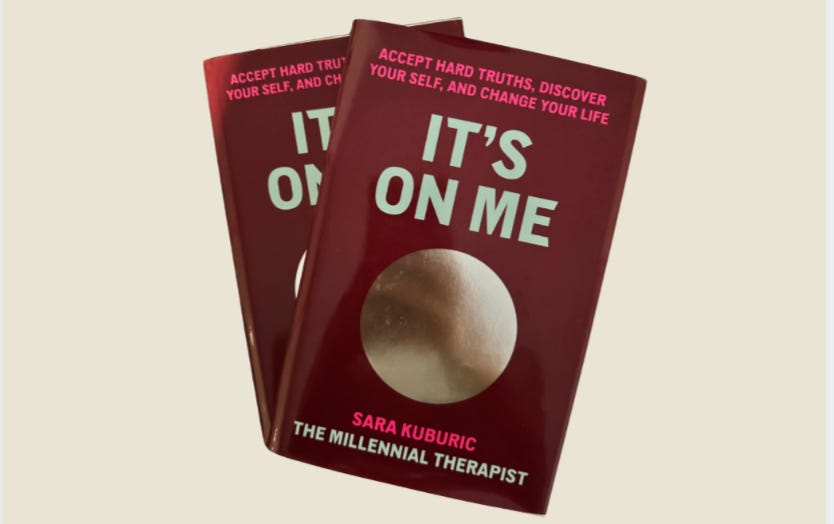
Amazon review:
Graceful and to the point. Whether you were seeking transformation or not, this book provides an opportunity for self-reflection and equips you with the tools to make it happen. Empowering, enlightening, and utterly captivating—I couldn't put it down!
If you liked this essay, you might like:
Sara - incredible, thoughtful & touching. Thank you so much🤗
Thank you.