

4 Uncomfortable Practices That Create Real Intimacy
None of them require candlelight

We know more about each other than any generation in human history. We can see where our people are standing on a map, whether they’ve read our message, what they ate, what they think about the news, what song they played on repeat this morning. We are saturated with information about one another. And still, so many of us feel unaccompanied in our own lives, because information is not intimacy. Data is not encounter. You can know everything about a person and never once meet them.
Iris Murdoch defined love as “the extremely difficult realization that something other than oneself is real.” I keep returning to the word difficult. We tend to talk about intimacy as something that happens to us, a chemistry, a click, a lucky collision. But if Murdoch is right, intimacy is not a weather event. It’s a practice. A set of small, repeatable, slightly terrifying disciplines. Here are four:
I. Ask the second question
The first question is roll call. How are you. How was the trip. Did you land safely. It confirms that everyone is present and accounted for; it gathers facts. But facts are not a person. The second question, the one that follows the answer instead of the schedule, is where intimacy begins. What was that like for you. What did you do with that. Where did it go in your body.
Murdoch elsewhere describes attention as “a just and loving gaze directed upon an individual reality.” That’s what the second question performs. It says: I am not checking on you. I am looking for you. Anyone can remember a birthday; algorithms remember birthdays. Only a person who is actually with you notices that you said “fine” in a minor key, and asks what the fine is standing in for.
II. Say what you’re afraid to want
Not what you want; we announce those all day (the promotion, the apartment, the vacation). The wants we’re afraid of are hidden and more incriminating, because wanting confesses a lack. To say “I want to be chosen first,” “I want to make something and put my name on it,” “I want another kind of life” is to admit that the life you have, the one you defend at dinner parties, is unfinished.
The desire you keep in the dark doesn’t die there; it just stops being introducible. Saying it aloud to another person is intimacy in its purest form. You are handing them the map to where you are unbuilt

III. Let yourself be seen mid-feeling
We’ve been taught to arrive at each other pre-processed, to present our emotions like a finished manuscript: clean, edited, safely in the past tense. “I was upset last week, but I worked through it.” That’s not closeness; that’s a press release.
James Baldwin wrote that love “takes off the masks that we fear we cannot live without and know we cannot live within.” The mask he means is not the fake smile; it’s the finished story. Letting someone see you cry before you understand why you’re crying is a different order of honesty. The tidy narrative afterward tells them what you concluded. The mid-feeling lets them meet what you are, while you are still becoming it.
IV. Stay in the room
Every difficult conversation has a moment when the body votes to leave. The chest tightens, the exit signs light up, and we reach for our escape hatches: the phone, the joke, the sudden fascinating errand.
Adrienne Rich called an honorable relationship “a process, delicate, violent, often terrifying to both persons involved, a process of refining the truths they can tell each other.” Refining requires heat, and heat is exactly what we flee. Staying in the room, feet on the floor, breath low, while someone tells you a truth you’d rather not hold, is the physical practice of intimacy. Not agreeing. Not fixing. Staying, so the next truth has somewhere to go.
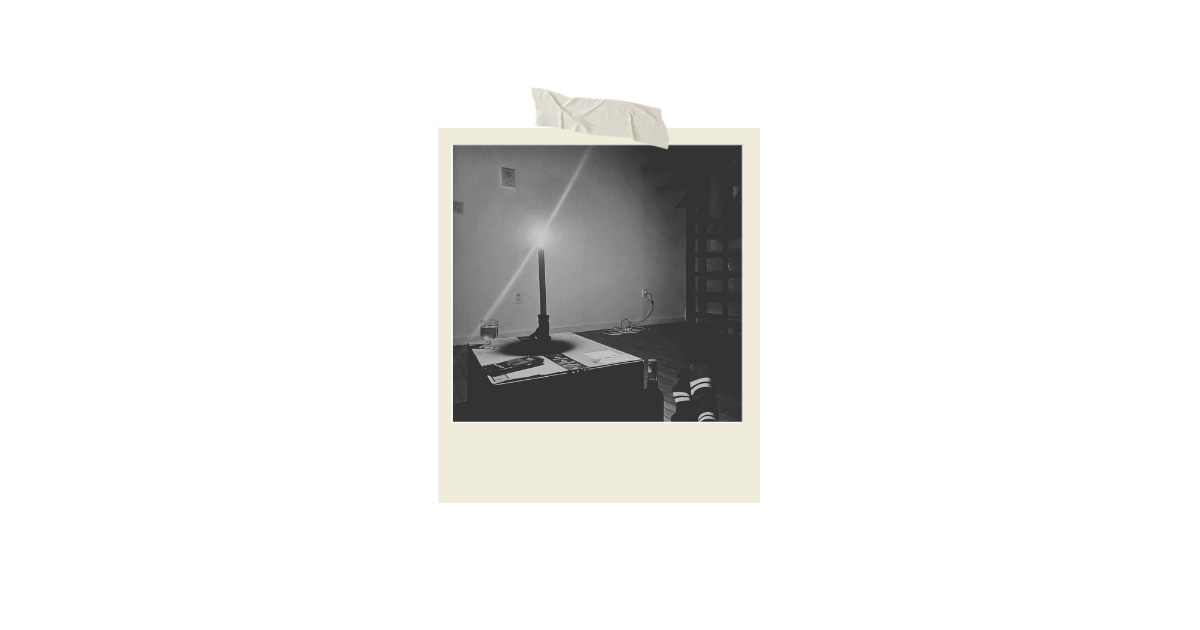
Notice that none of this requires candlelight. The second question can be asked in a parking lot. The frightening want can be said over bad coffee. The mid-feeling arrives whenever it wants, uninvited, usually inconvenient. The room you have to stay in is mostly just a kitchen.
Intimacy, it turns out, is not a mood. It’s a discipline of attention, a willingness to be moved or inconvenienced by the inner life of another person, and to let them be moved or inconvenienced by yours. Something other than yourself is real. Let’s act like it.
Thank you for being here!
The best therapists don’t sound like therapists.
.
“Every difficult conversation has a moment when the body votes to leave. The chest tightens, the exit signs light up, and we reach for our escape hatches: the phone, the joke, the sudden fascinating errand.“
18 years of marriage and I can attest to this!!! Stay in the room.